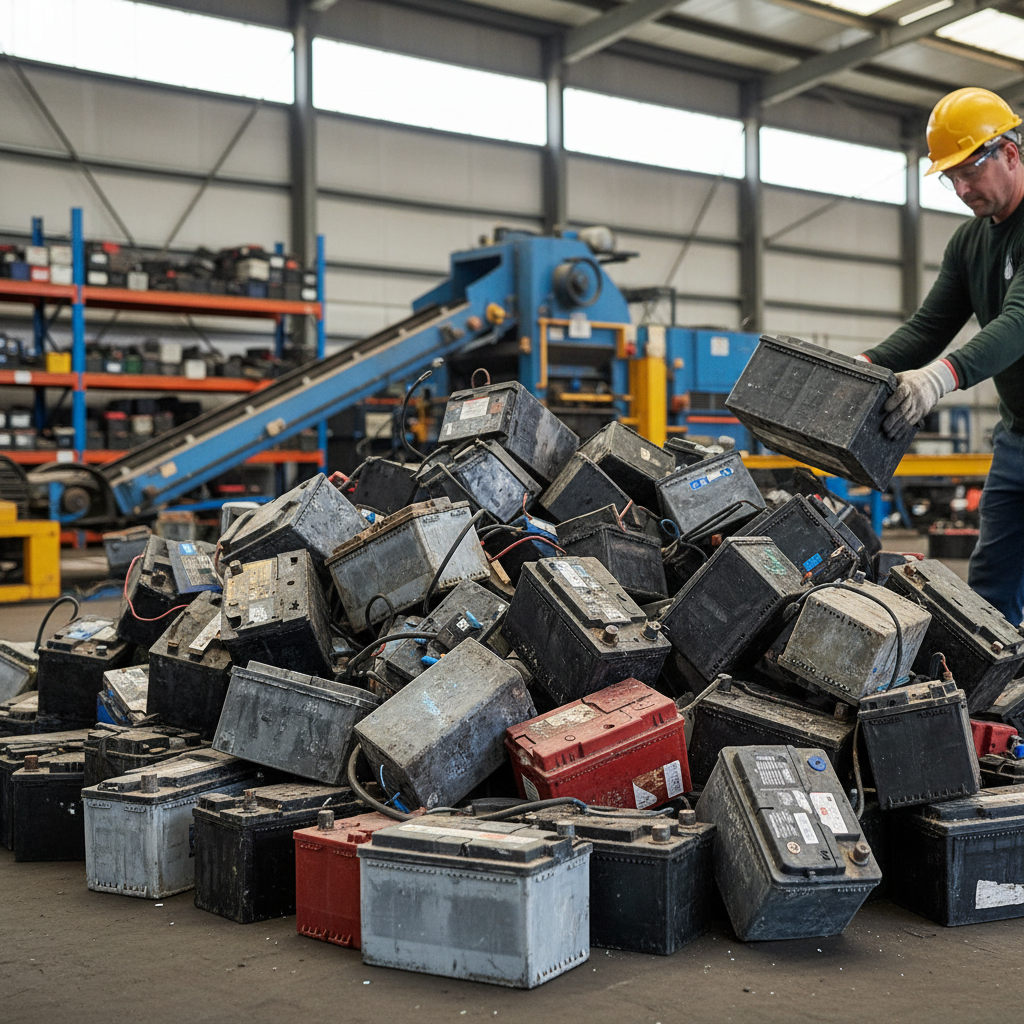
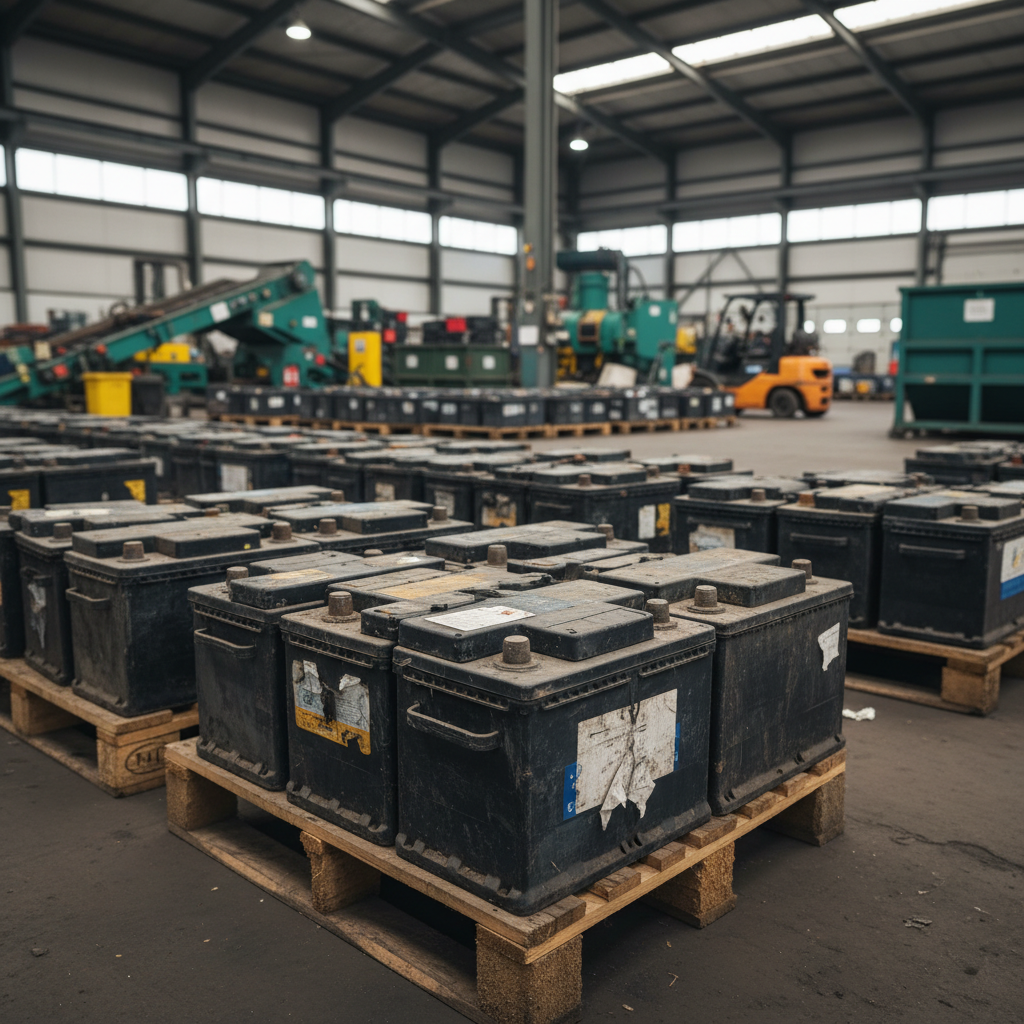
Improper disposal of car batteries releases toxic substances—chiefly lead, sulfuric acid, and other heavy metals—into soil and water, contaminating groundwater, harming plants and wildlife, and posing risks to human health. Recycling is a critical pollution prevention step that keeps corrosive fluids and metals out of landfills and waterways and reduces the emissions and land disturbance associated with primary mining and refining. Resource recovery from spent batteries conserves finite materials and energy: reclaimed lead and plastics are reprocessed into new batteries and industrial products, cutting the need for virgin extraction. By diverting batteries into closed-loop systems, communities protect ecosystems, preserve clean water and healthy habitats, and support a circular economy where fewer natural resources are consumed and fewer pollutants threaten people and species.