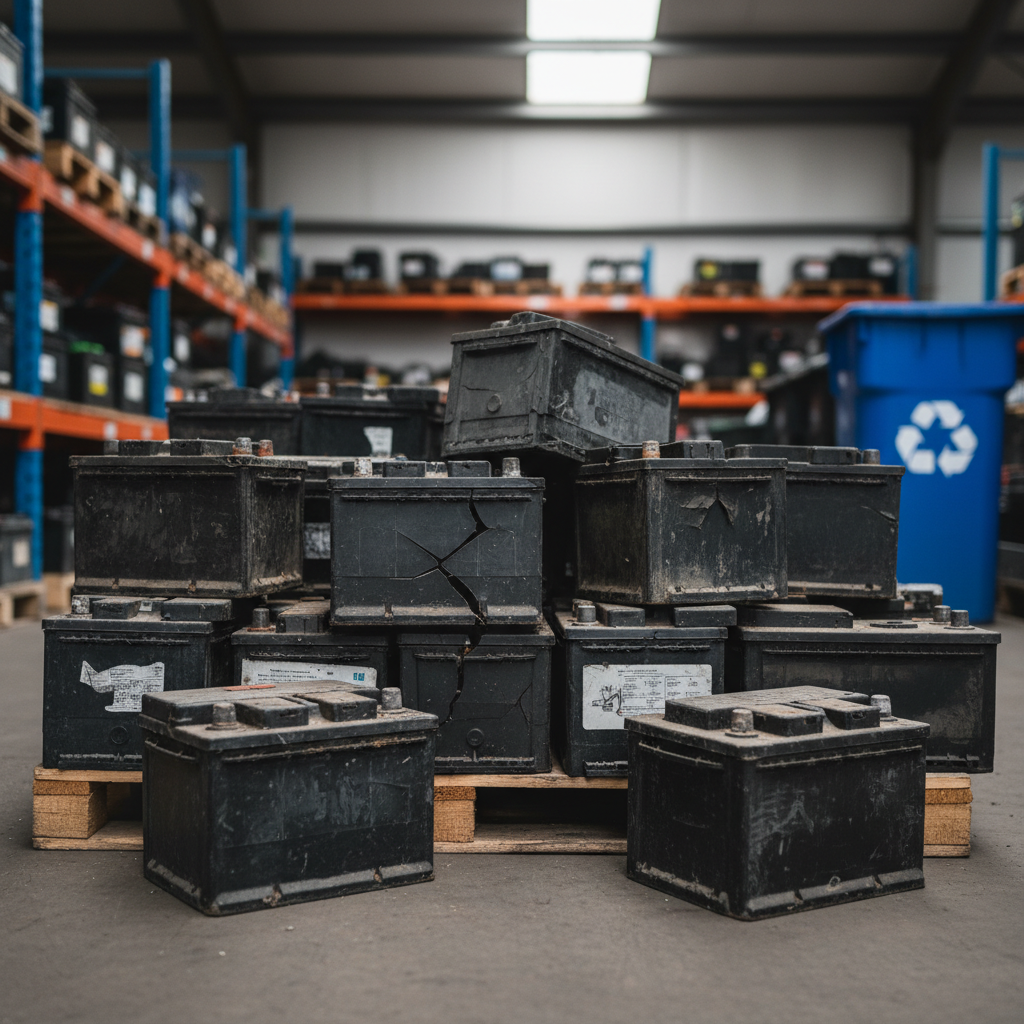
Recycling car batteries is essential to protect the environment because improper disposal releases toxic lead, sulfuric acid, and other contaminants that poison soil and groundwater, harm wildlife, and threaten human health. When batteries are dumped or broken, heavy metals can bioaccumulate in food chains and create long‑lasting pollution that is costly and difficult to remediate. Recycling prevents these harms by keeping hazardous components out of landfills and waste streams, and by enabling resource recovery—reclaiming lead, plastic, and electrolytes for reuse. Recovering materials reduces the need for new mining and raw materials, lowers energy use and emissions from manufacturing, and helps preserve natural habitats. Ultimately, proper battery recycling prevents pollution and supports healthier waterways, soils, and ecosystems for people and wildlife alike.
Recycle Batteries
Why Recycle Car Batteries?

Where Can I Get Rid of Old Car Batteries?
RecycleAutoBatteries offers convenient, responsible options to get rid of old car batteries: customers can use local drop-off locations or schedule a pickup for curbside collection, with trained staff ensuring safe handling from collection through transport. We work with certified recycling partners and facilities that follow regulatory and industry standards to neutralize acids, separate and smelt lead, and reprocess plastics and electrolytes. Our documented chain-of-custody and certified recycling practices prevent illegal dumping and guarantee that hazardous components are contained while reclaimed materials are returned to production. The recovered lead, plastics, and reclaimed materials are reused in new batteries and other products, reducing raw material extraction and energy use. Whether you drop off or arrange a pickup, RecycleAutoBatteries manages collection, safety, and proper recycling for environmentally responsible disposal.